
Why Combining Colour and Style Analysis Gives the Best Results
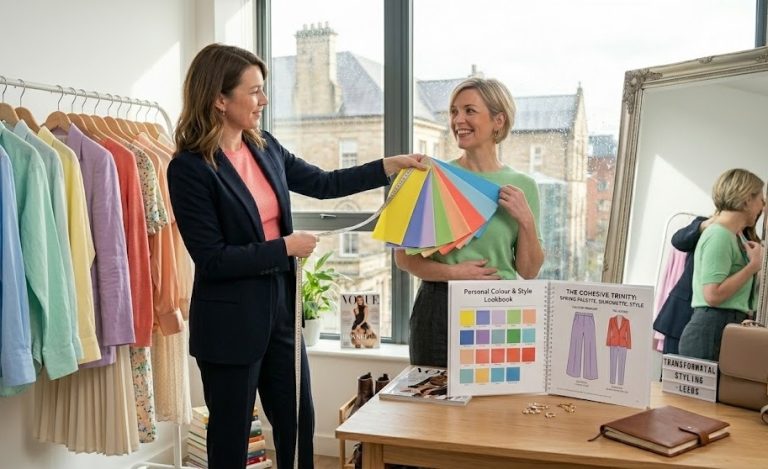
When we think about improving our wardrobe or refining our personal image, two terms crop up again and again: colour analysis and style analysis. Individually, each offers valuable insights—but when you combine them, the results aren’t just additive; they become transformational. In this article, we’ll explore why this combination works so well, what each component contributes, and how you can benefit in your everyday life and visual confidence.
1. Understanding Colour Analysis: The Palette That Makes You Shine
Colour analysis isn’t just about “favourite colours” or what’s trending. It’s grounded in colour theory and the way certain shades interact with your skin tone, hair and eyes. The aim is to identify a palette that enhances your natural features—making your skin look healthier and your overall appearance more vibrant.
When you know your best colours:
You can shop smarter, avoiding purchases that don’t work for you.
You save time and money because you’re no longer trial-and-error shopping.
Your wardrobe becomes cohesive, with more pieces that work well together.
Psychologically, wearing colours that flatter you isn’t shallow—it affects how you feel. Research on enclothed cognition shows that clothing influences our thoughts and behaviours; what we wear can alter confidence, focus and even performance.
2. Style Analysis: Shaping Clothes to Fit You
While colour analysis helps you choose the right palette, style analysis helps you choose the right shapes, proportions and silhouettes based on your body shape, lifestyle and personal preferences. It’s about answering questions like:
What cuts flatter your proportions?
How do you balance visual weight across an outfit?
What styles align with your lifestyle (work, leisure, events)?
Style analysis recognises that we each have unique proportions and that fits matter as much as hues. According to style analysis theory, professional consultants take into account body shape and personal lifestyle to recommend garments that support and flatter individual features.
3. The Whole Is Greater Than the Sum of Its Parts
Clarity and Confidence
Individually, colour and style analysis bring clarity: one tells you which colours work, the other tells you which shapes work. Together, they create a visual language that helps you dress with purpose—not guesswork.
Imagine preparing for an important business meeting in the UK. You choose a cut that flatters your proportions and a colour that enhances your presence. You’re not just wearing clothes—you’re presenting yourself with confidence and consistency. The combination can help shape how others perceive you, potentially impacting professional impressions and opportunities.
Colour psychology research suggests that colours can influence how others interpret your mood and intent—for example, navy conveys trust and authority, while certain shades can signal creativity and warmth.
Efficiency and Sustainability
When you combine both analyses, your wardrobe becomes more efficient. Every piece should ideally be something that:
Flatters your colouring
Matches your style preferences
Fits your silhouette effectively
This trinity reduces “decision fatigue” when dressing and aligns with sustainable fashion principles by reducing impulsive, mismatched purchases.
4. Personal Expression With Purpose
It’s important to address a common misconception: colour and style systems don’t dictate what you must wear—they inform what most enhances your natural attributes. People sometimes feel restricted by colour categories or style rules, but the goal is always to empower your personal choices, not restrict them.
In fact, successful personal stylists combine structured analysis with the client’s personality and preferences so that the results aren’t formulaic, but genuinely personal and expressive.
5. Practical Tips for Everyday Wardrobe Use
Here are ways you can apply this combined insight daily:
Mix foundation pieces (base neutrals) in your palette with accent colours that follow your personal style goals.
Review your existing wardrobe: Identify items that match both your colour palette and your most flattering silhouettes.
Create outfit templates: For example, a flattering blouse (best colour) + tailored trousers (best silhouette) + statement accessory (your style signature).
Small conscious choices like these reduce stress and improve consistency every time you get dressed.
6. Final Thought: Precision With Purpose
When colour and style analysis are used in isolation, they offer value. But when combined, they become a framework for intentional dressing that supports confidence, reduces wasteful spending and builds a wardrobe that truly works for you. Whether you’re preparing for a pivotal career moment, refreshing your personal image, or simply seeking greater ease when pulling together outfits in the morning—this holistic approach delivers results that feel personalised, modern and achievable.
If you’d like to explore some practical tools or reflective questions to start applying this today, I’d be happy to help further with my body shape, personal style and colour analysis combined service in Leeds!