
How Colour Analysis Transforms Your Everyday Style
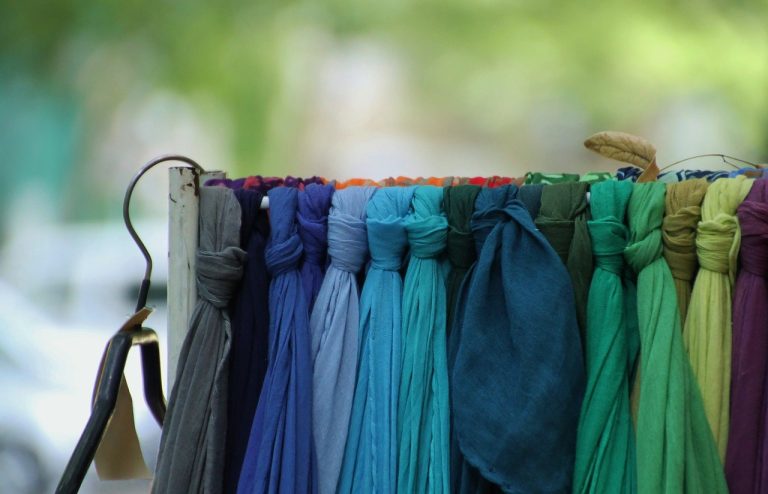
We live in an era where personal presentation is recognised as a powerful, silent communicator. Yet most of us still rush out the door each morning in trial‑and‑error mode — opting for outfits that might work rather than ones that are strategically chosen. Colour analysis bridges that gap. It’s not a fashion fad; it’s a form of self‑understanding rooted in psychology, perception and practical wardrobe strategy.
Understanding Colour Beyond Preference
Colour isn’t just decoration. It affects how we feel, how others perceive us, and how we make choices. Research into colour psychology — the scientific study of how colours influence mood and behaviour — shows that colours evoke emotional responses and carry symbolic meaning. For instance, warm hues can energise, while cooler tones often create calm and trustworthiness. These responses influence both wearer and observer, consciously and subconsciously.
Colour analysis takes these general psychological associations and tailors them to you personally — your skin tone, your eye colour, and your hair colour — creating an individual palette that works harmoniously with your natural colouring.
1. Immediate Visual Impact — The “Glow” Effect
One of the most noticeable benefits of colour analysis is the visible change in complexion. Colours that are well suited to your natural tones can:
Make your skin appear more even
Brighten your eyes
Reduce the appearance of shadows or under‑eye darkness
Give an overall impression of energy and vitality
These visual effects are not subjective opinions — stylists observe them repeatedly in draping sessions, and their clients often report feeling “brighter” in the mirror.
This isn’t just vanity. Research in fashion psychology suggests that clothing and colour function as social signals, shaping first impressions and the way people read us in professional and personal settings.
2. Emotional and Psychological Confidence Boost
When your appearance feels right, your internal dialogue shifts. Wearing colours that resonate with your features can boost confidence; you feel seen and aligned with yourself. This is as much psychological as it is visual — there’s a recognised concept in fashion psychology called enclothed cognition, where the act of dressing influences your mental state and performance.
Think of how different colours make you feel:
Blues often evoke calm and reliability
Reds can stir energy and assertiveness
Yellows and oranges are linked with positivity and warmth
These associations aren’t arbitrary — they’re backed by psychological studies into colour–emotion links.
Applying that knowledge to your wardrobe means you can choose colours intentionally to support your mood, your day’s agenda, or the impression you want to give.
3. Practical Wardrobe Strategy — Less Overwhelm, More Clarity
One of the most practical outcomes of colour analysis is its impact on decision‑making. UK lifestyle habits show many people experience “wardrobe paralysis” — standing in front of the closet and feeling unsure what to wear. Colour analysis narrows these everyday decisions:
It reduces guesswork: you know which hues flatter you most.
It prevents impulse buys: fewer purchases that look great in the store but fail in real life.
It builds cohesion: when the pieces in your wardrobe work together, outfit creation becomes intuitive.
For many, this directly translates into time saved in the mornings and money saved on clothes that never see the light of day.
4. Everyday Style That Reflects You
Colour analysis isn’t about restricting your choices; it’s about empowering them. Once someone knows their palette, they can still enjoy fashion trends, favourite styles and bold experimentation — but with a framework that ensures these choices enhance, rather than detract from, their natural features.
Clients often tell me that knowing their colours feels like “wearing colours that finally fit the person I see inside”.
This isn’t merely aesthetic. It’s personal alignment — a visual harmony between who you are and how you present yourself.
5. Long‑Term Value and Sustainability
In an age where fast fashion and overconsumption are major concerns, colour analysis promotes mindful wardrobe building. When you consistently wear colours that suit you, you:
Buy less often
Buy more intentionally
Build a wardrobe with purpose rather than clutter
These habits contribute to a more sustainable personal style ecosystem — saving money, reducing waste, and limiting impulse spending.
Conclusion — A Transformative Everyday Tool
Colour analysis bridges science and style. It draws on psychological insights into how colour affects mood and perception, and applies them in a practical way that transforms everyday dressing. For UK readers navigating busy lives, diverse social settings and professional environments, this isn’t a luxury — it’s a tool for clarity, confidence and expression.
Your wardrobe shouldn’t be a chore; it should be a resource that supports how you want to present yourself to the world. Colour analysis helps you unlock that potential with intention, precision and — most importantly — personal resonance.