
What to Wear to a Wedding as a Guest
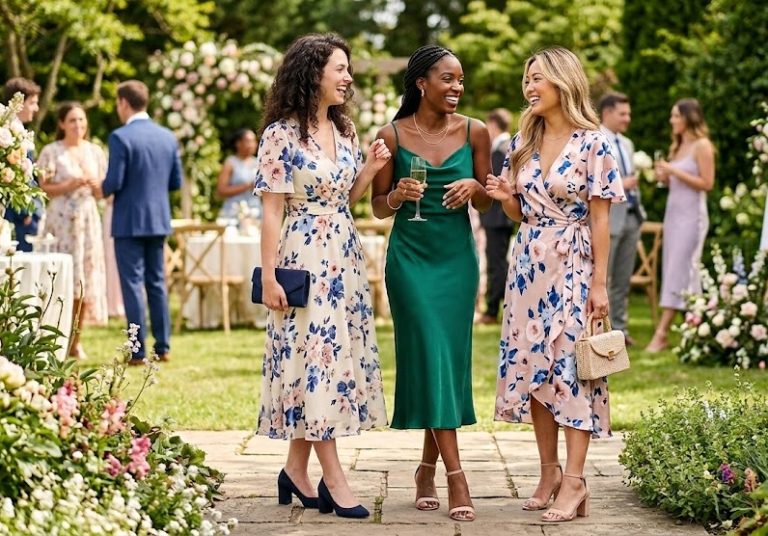
Few things cause quite as much wardrobe panic as a wedding invitation. You want to look your absolute best, polished, put-together, and effortlessly stylish, while also respecting the day and the dress code. Sound familiar? You’re not alone. Dressing for someone else’s special day is genuinely tricky, and with so many “rules” floating around online, it can be hard to know where to start.
The good news is that with a little guidance, getting your wedding guest outfit right is completely achievable. In this guide, I’ll walk you through everything you need to know – from cracking the dress code to choosing the right colours, fabrics, and shoes – so you can arrive feeling confident, comfortable, and completely appropriate.
Step One: Decode the Dress Code
The dress code on an invitation is your starting point and your biggest clue. Here’s what each one actually means:
Black Tie means floor-length gown or an elegant formal midi. Think luxe fabrics like silk, chiffon, satin, or lace. This is your chance to go all out.
Black Tie Optional or Cocktail Attire is one of the most common dress codes you’ll encounter. A midi or knee-length dress in a dressy fabric works perfectly, as does a tailored trouser suit or a chic jumpsuit.
Smart Casual gives you a little more freedom. A pretty wrap dress, a floral midi, or a smart trousers-and-blouse combination all work well. Avoid anything too casual – no jeans, no trainers.
Garden Party or Outdoor Wedding calls for lighter fabrics and a slightly more relaxed silhouette. Floaty midi dresses and block-heeled sandals are your friends here. Bear in mind you may be on grass – stilettos are rarely a good idea.
Casual or Beach Wedding allows for sundresses, linen co-ords, or even smart wide-leg trousers with a pretty top. The key is still to look intentional – effortlessly dressed, not underdressed.
Choosing Your Colour Palette
Colour choice is one of the most personal and most talked about aspects of dressing for a wedding. There are a few unwritten rules worth knowing:
- Avoid white, ivory, cream, and champagne. These are traditionally reserved for the bride. Even if the bride says she doesn’t mind, it’s safer to sidestep these tones altogether.
- Head-to-toe black can sometimes feel a touch funereal at a wedding, though it’s increasingly accepted. If you love black, a colourful accessory or bold print can lift the whole look beautifully.
- Avoid wearing the same colour as the bridesmaids if you know it in advance. You don’t want to blend into the wedding party.
Beyond those guidelines, the most important thing is to wear a colour that works for you. If you’ve had your colours analysed, you already know which shades make your skin glow and your eyes pop – choose from those. If you haven’t, a good rule of thumb is to hold fabric up to your face in natural light and notice whether it brightens your complexion or dulls it.
Some of the most reliably beautiful choices for wedding guests include jewel tones (sapphire, emerald, deep plum), warm earthy tones (rust, terracotta, warm camel), soft florals (dusty rose, cornflower blue, sage green), and classic navy. Florals and prints can look wonderfully celebratory, especially for a daytime or outdoor wedding.
Fabrics: Dress for the Season
The fabric of your outfit can make or break your comfort on the day. Always consider the time of year:
Spring and Summer: Reach for chiffon, georgette, linen, or lightweight crepe. These fabrics breathe beautifully and photograph well. Be wary of anything too sheer without a lining underneath.
Autumn and Winter: Velvet, satin, heavier crepe, and structured brocade all feel appropriately luxurious for a colder season. A tailored blazer or elegant coat can also become a key part of your look rather than an afterthought.
Whatever the season, avoid anything that creases badly – you’ll likely be sitting, dancing, and moving around all day. Fabrics with a little stretch or drape tend to look polished from ceremony right through to the last dance.
Completing the Look: Shoes, Bags and Accessories
Your accessories can elevate a simple outfit into something truly special or, if you’re not careful, let it down entirely.
Shoes: Prioritise both style and practicality. A block heel or kitten heel gives you height without the instability of a stiletto. If the venue has an outdoor element, a wedge heel or strappy flat sandal is a wiser choice. Block heels in a neutral tone (nude, black, or metallic) will complement almost any outfit.
Bags: A small clutch or mini bag is the wedding-day standard for good reason – it looks polished without being bulky. Opt for something in a neutral, metallic, or tonal colour to your outfit. Just make sure it fits your essentials: phone, lipstick, card.
Jewellery: Keep it elegant and intentional. If your outfit is patterned or detailed, let the dress be the star and keep jewellery minimal. With a simpler dress, a statement earring or necklace can add real impact.
Layers and Cover-Ups: A lightweight shawl, tailored blazer, or elegant wrap can be a lifesaver, especially for church ceremonies or cool evenings. Choose something that complements your outfit rather than clashing with it.
What to Avoid
A quick recap of the key things to sidestep:
- White, ivory, cream, or any shade close to bridal
- Anything too revealing, too casual, or too over-the-top – weddings call for elegance over fashion-forward statements
- Uncomfortable shoes that will have you hobbling by the starter course
- Fabrics that crease, cling, or are difficult to manage throughout a long day
- Very loud prints or colours that could distract from the couple – florals and jewel tones? Yes. Neon or sequins head to toe? Probably not.
The Most Important Thing
Dressing for a wedding is ultimately about balance: looking and feeling your best while honouring the occasion and the couple at the centre of it all. When you get the foundations right – a flattering silhouette, the right colours for your complexion, and an outfit appropriate for the dress code – the confidence follows naturally.
If you find yourself consistently struggling to put together outfits that feel like you, not just for weddings, but in everyday life, it might be time to explore what your personal colours and style really are. Knowing your colour season and understanding what works for your body and lifestyle changes everything. Instead of standing in front of your wardrobe in a panic, you reach for things you love, in shades that light you up, and feel ready.
That’s exactly what I help women discover, and it’s never too late to start.